How cross-country team scoring works: scorers, extra runners and ties

Understand position totals, non-scoring runners, ties and incomplete teams with Mid Lancs rules and clear worked examples, without assuming every race scores alike.
Your first cross-country race: club entry, individual entry or championship?

England examples explain club and guest eligibility, Liverpool’s separate races and championship entry, so you can choose the right first cross-country start.
Choosing a night trail race: railway track, downland or hill course?

Compare Tunnel Vision, BigNightOut and Illuminator course demands, marking, kit and logistics to choose a night-running format that suits your experience.
Night trail race cut-offs: calculate the time you actually have

Work out finish and checkpoint deadlines with BigNightOut and Illuminator examples, then allow for stops, hills and the remaining route after a checkpoint.
Monsal, Tissington or High Peak Trail: which suits your run?
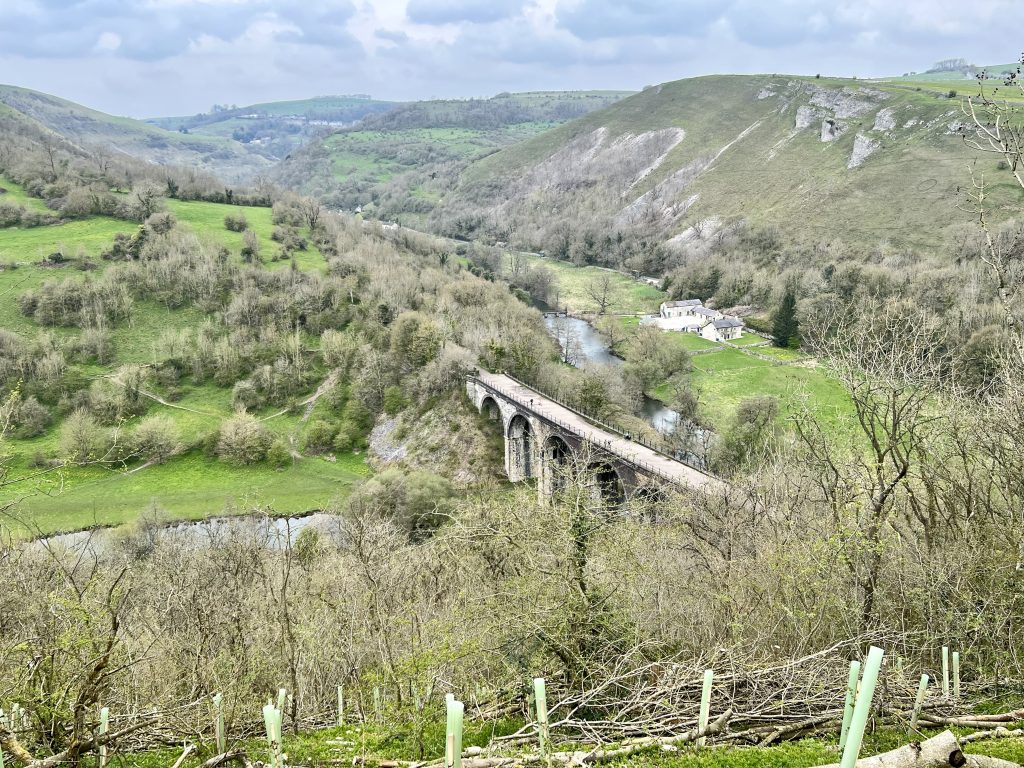
Compare three Peak District railway trails for scenery, surfaces, access, tunnels and steep inclines, then choose a starting section and return distance.
Running the Monsal Trail: tunnels, start points and your turnaround
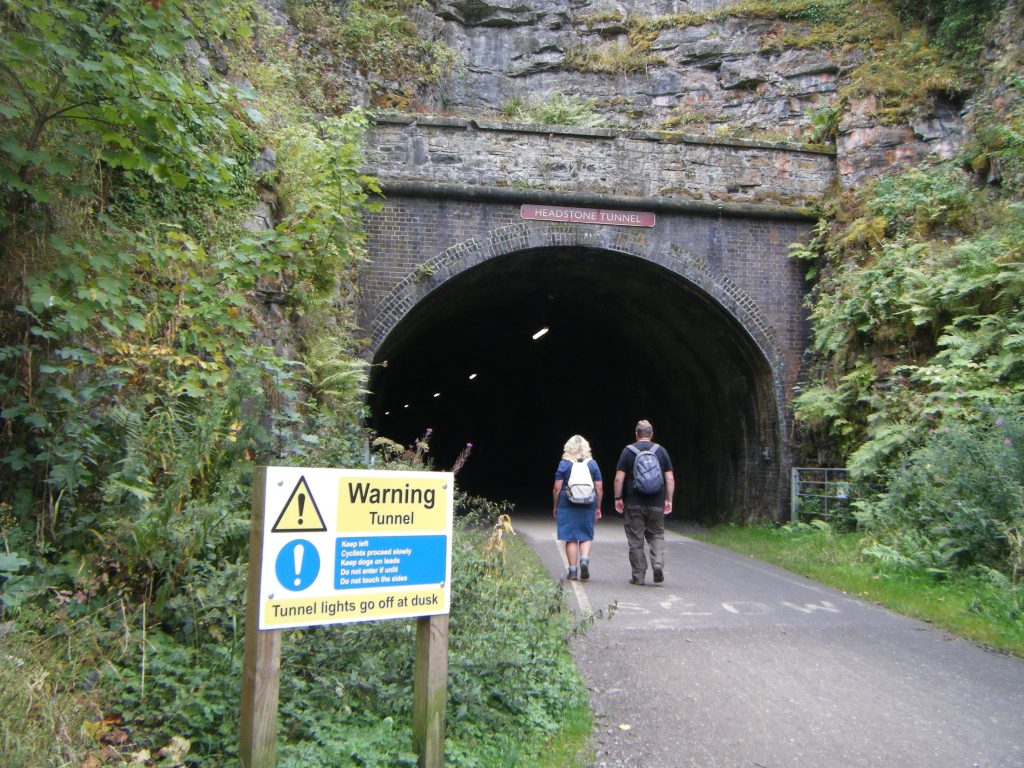
Plan a Monsal Trail run around station access, daylight-lit tunnels and a realistic return distance, with worked examples from the National Park’s route information.
Do you need to navigate in a fell race? Markings, GPS and what to check
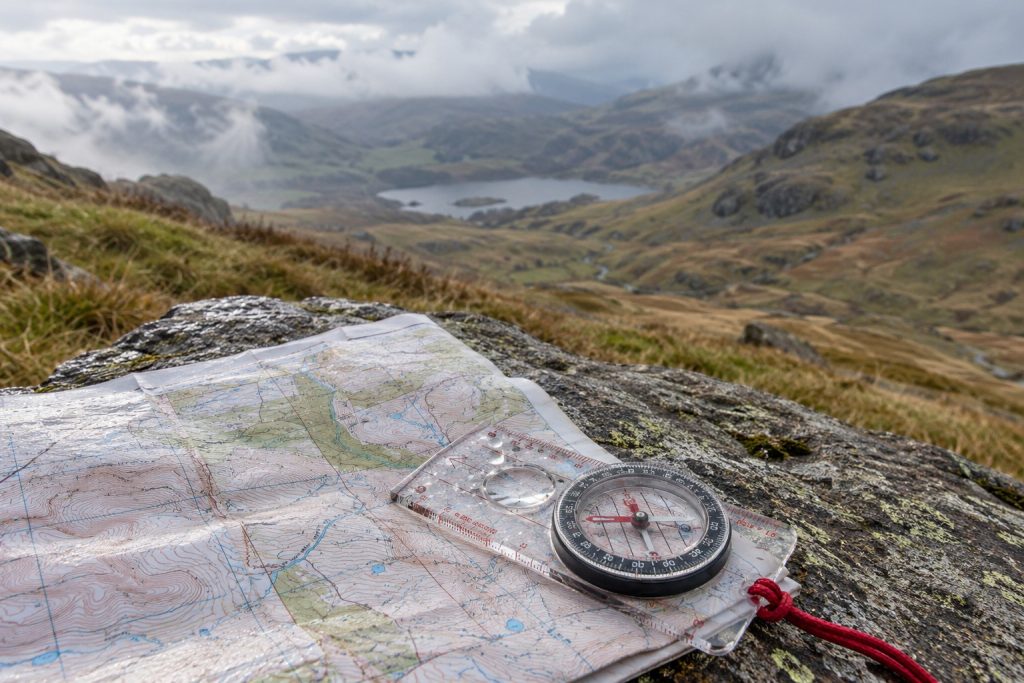
Understand self-navigation in FRA fell races: course markings, GPS restrictions, recces, practical skills, required kit and reporting a retirement.
Choosing a first fell race: three courses with very different demands

Compare Rivington Pike, Loughrigg and Loughrigg Silverhow through their published course information, terrain, climbing and navigation expectations.
Fell race categories explained: what AS, BM and AL actually tell you
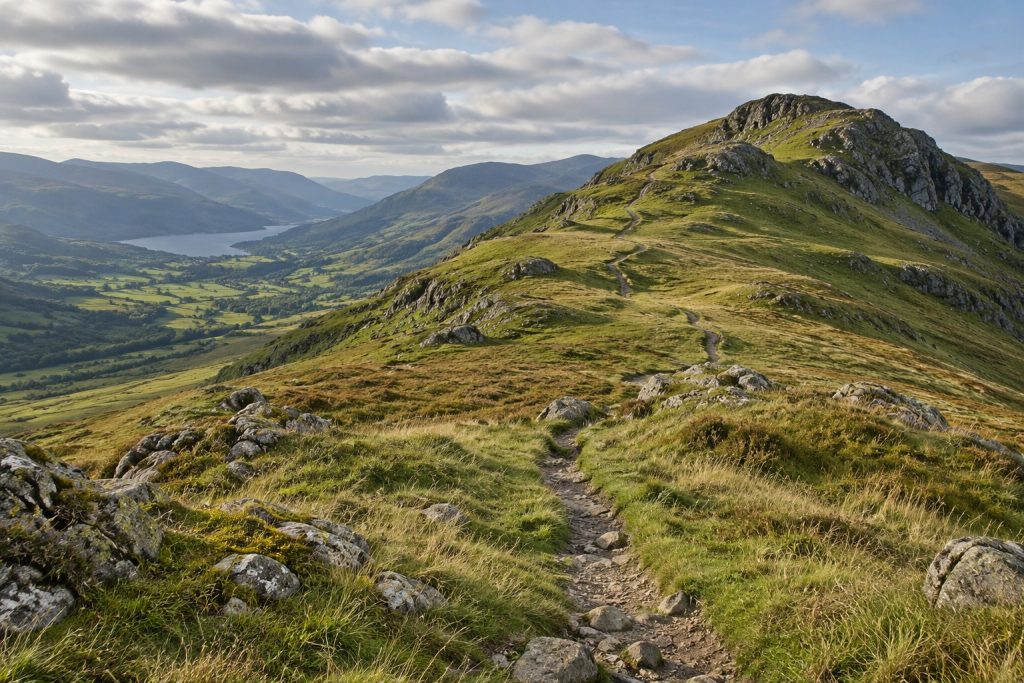
Decode FRA distance and ascent categories, understand the 10km and 20km boundaries, and compare climb figures without mistaking them for a difficulty score.
Water, heights and obstacles you cannot complete: what to check before choosing a mud run

Compare UK mud-run bypass policies and water features. Check swimming, heights, help, penalties and mandatory obstacles for the format you want.