How to wear a headtorch with a running hat or headband
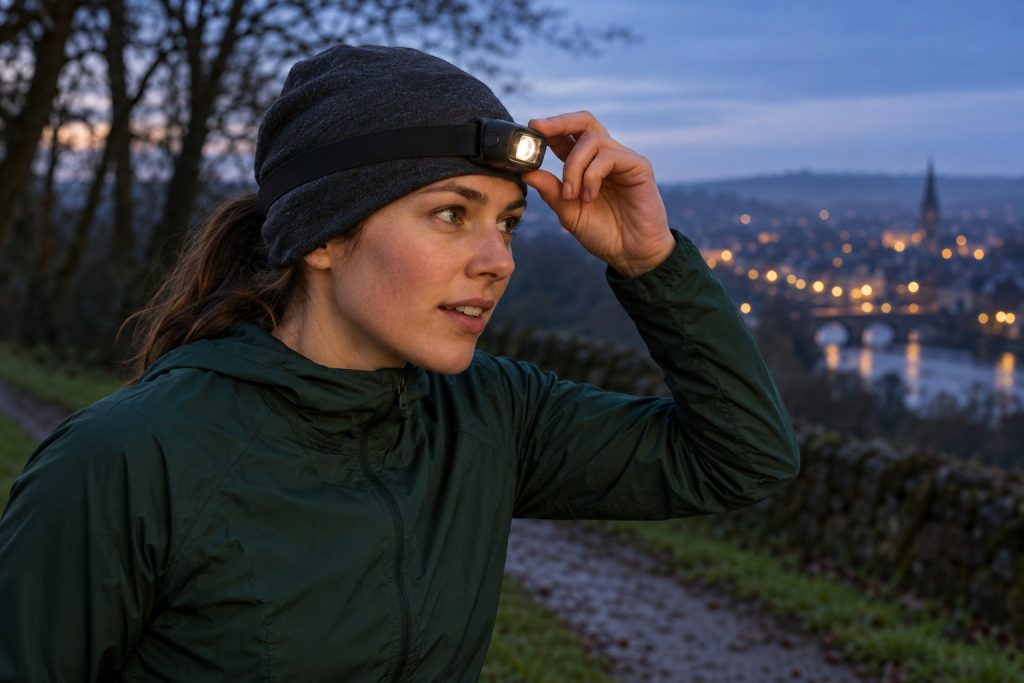
Fit a running headtorch over winter headwear without chasing bounce: settle the fabric, adjust the band and lamp angle, then check glasses and hood clearance.
Best winter running hats and headbands for easy layering

Choose light winter running headwear for cold ears, crown coverage or a chilly neckline, with practical fit checks for glasses and headtorches.
How to wash and dry waterproof running gloves
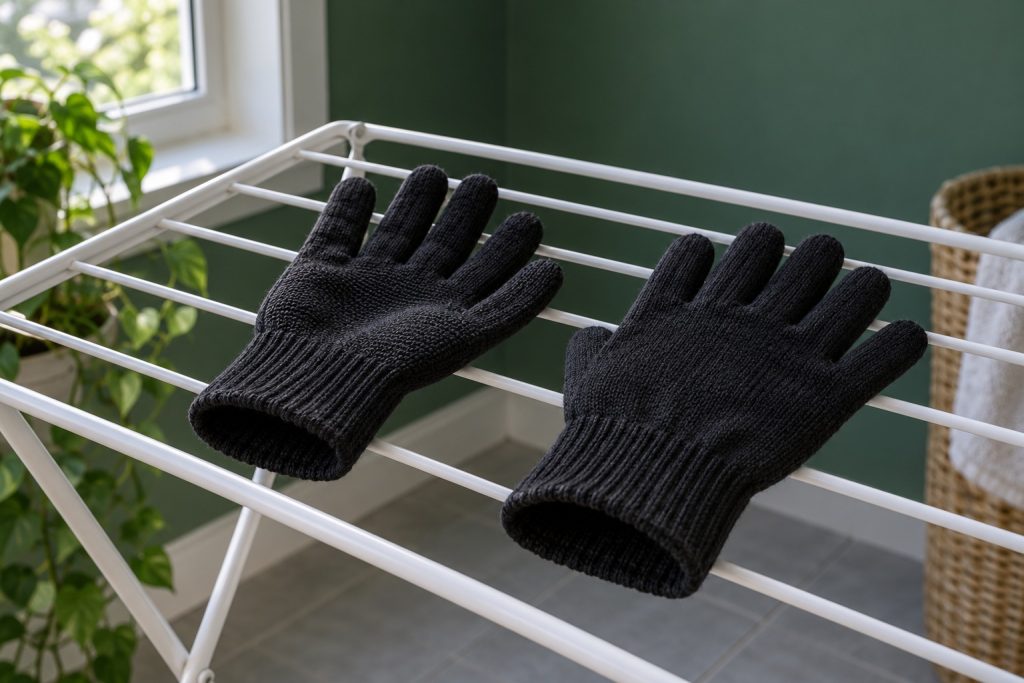
Wash waterproof running gloves using the correct model instructions, with DexShell’s current 30°C guidance, gentle rinsing and natural drying away from heat.
DexShell Everyday waterproof gloves for running: grip, fit and wet-weather use
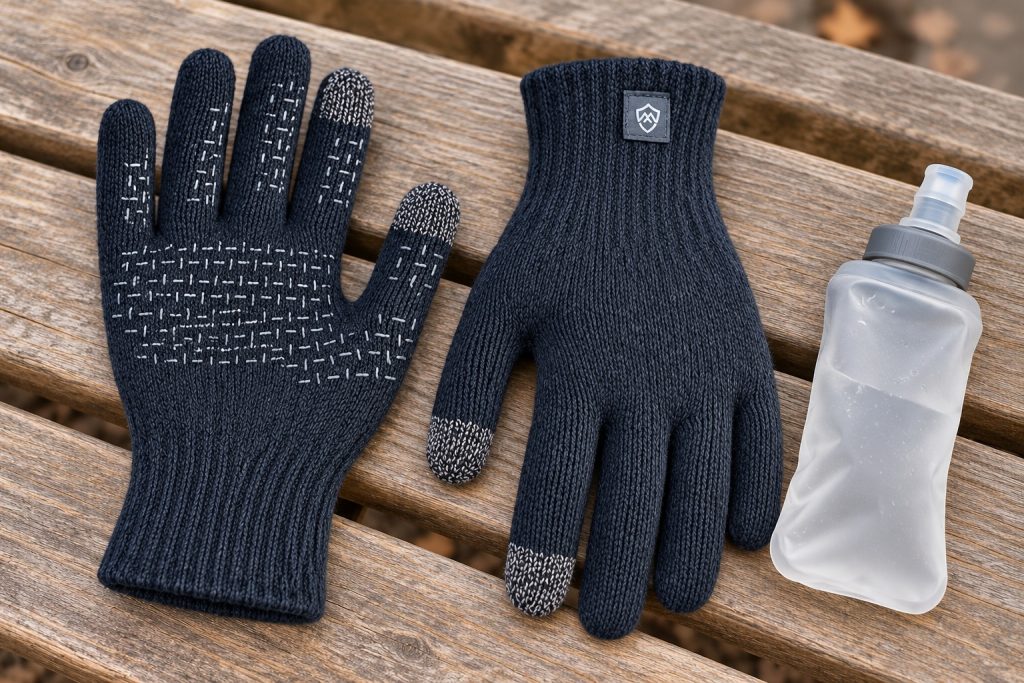
Assess DexShell Everyday waterproof knit gloves for cool, wet running: membrane construction, sizing, bottle grip, phone access and when to choose a lighter pair.
Waterproof or windproof running gloves: choose for the weather

Choose running gloves for an exposed dry route or sustained rain, comparing Ronhill Wind-Block and DexShell waterproof knit by protection, grip and fit.
How to wash and dry a running backpack
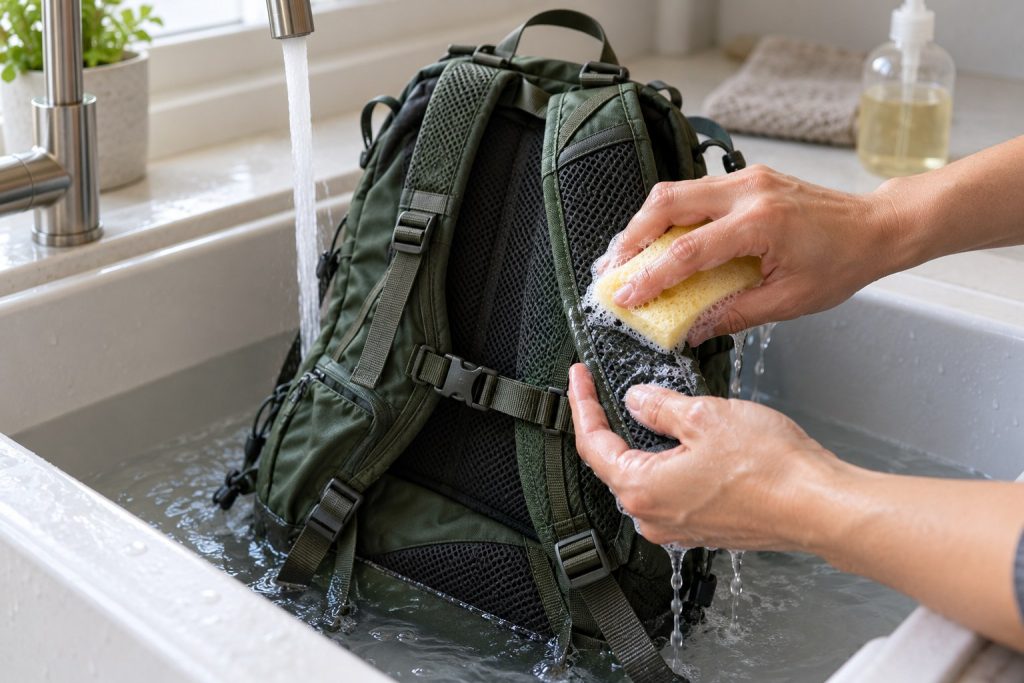
Clean sweaty straps, empty hidden pockets and dry your running backpack properly, using Osprey’s hand-washing guidance without assuming every pack is the same.
How to pack work clothes for a run commute
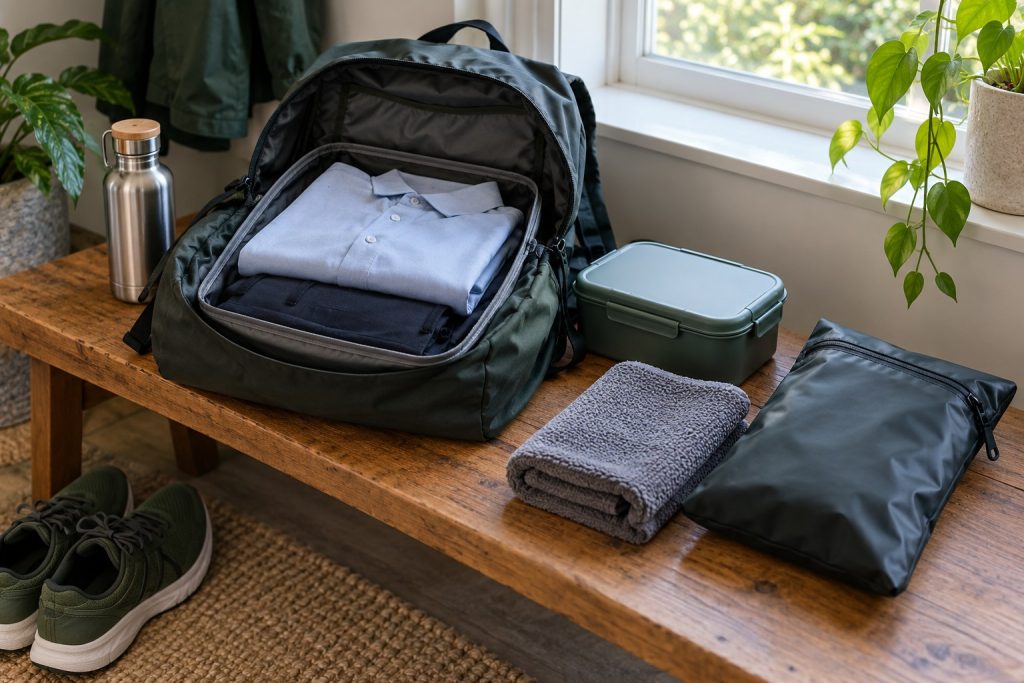
Pack a shirt, trousers, lunch and damp return kit for running to work, with practical folds and a routine that reduces creasing and rummaging.
Best backpacks for an easy run commute: clothes, lunch and a lighter load

Choose between an organised Osprey daypack and a foldaway Waterfly for a light, easy-paced run commute, with useful load and fit checks.
How to wash and dry waterproof running socks after muddy runs
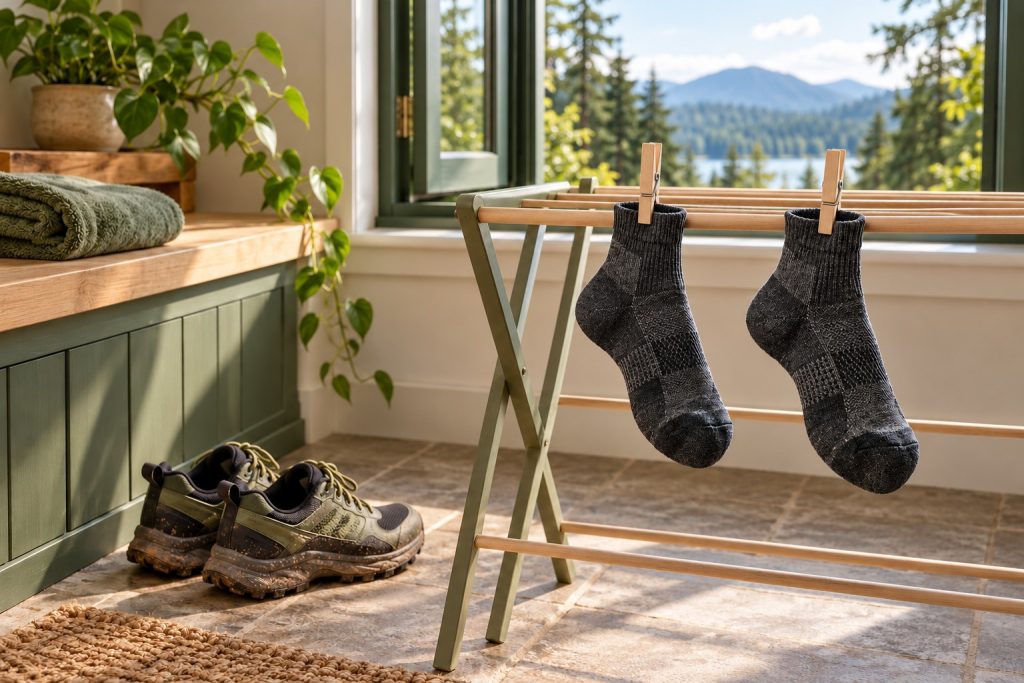
Care for membrane running socks without heat damage: compare Holverstone and DexShell instructions, clean muddy pairs and dry the lining before storing.
Wet feet in waterproof running socks: what to check first
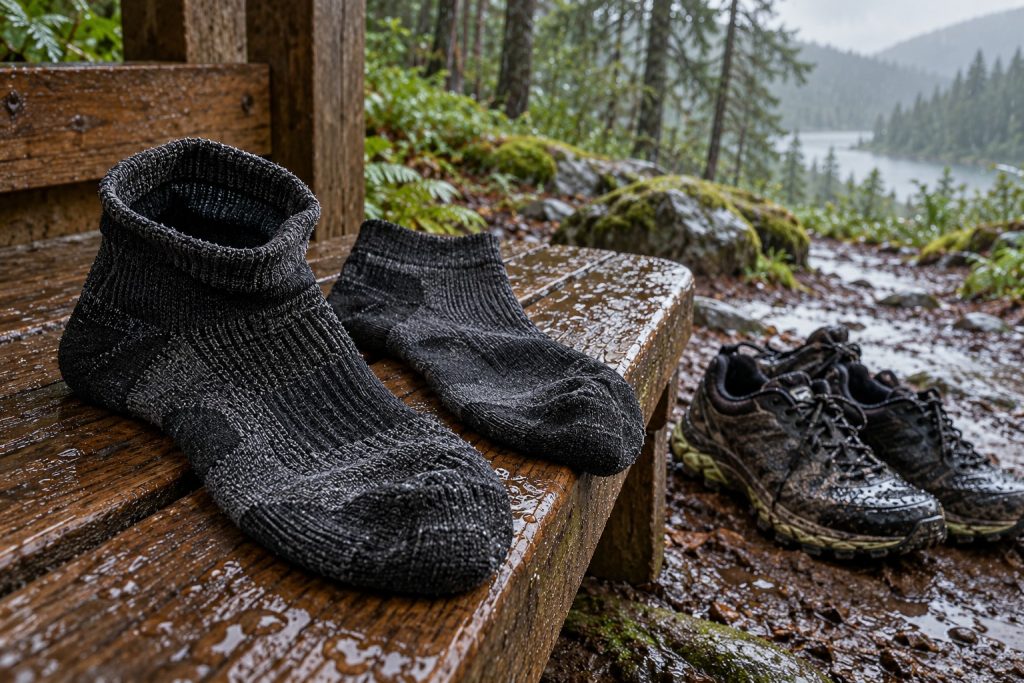
Check cuff entry, sweat, incomplete drying and damage before replacing waterproof running socks. A practical sequence for finding the likely source of dampness.