Some links in my articles are affiliate links. I may earn a commission when you buy through them.
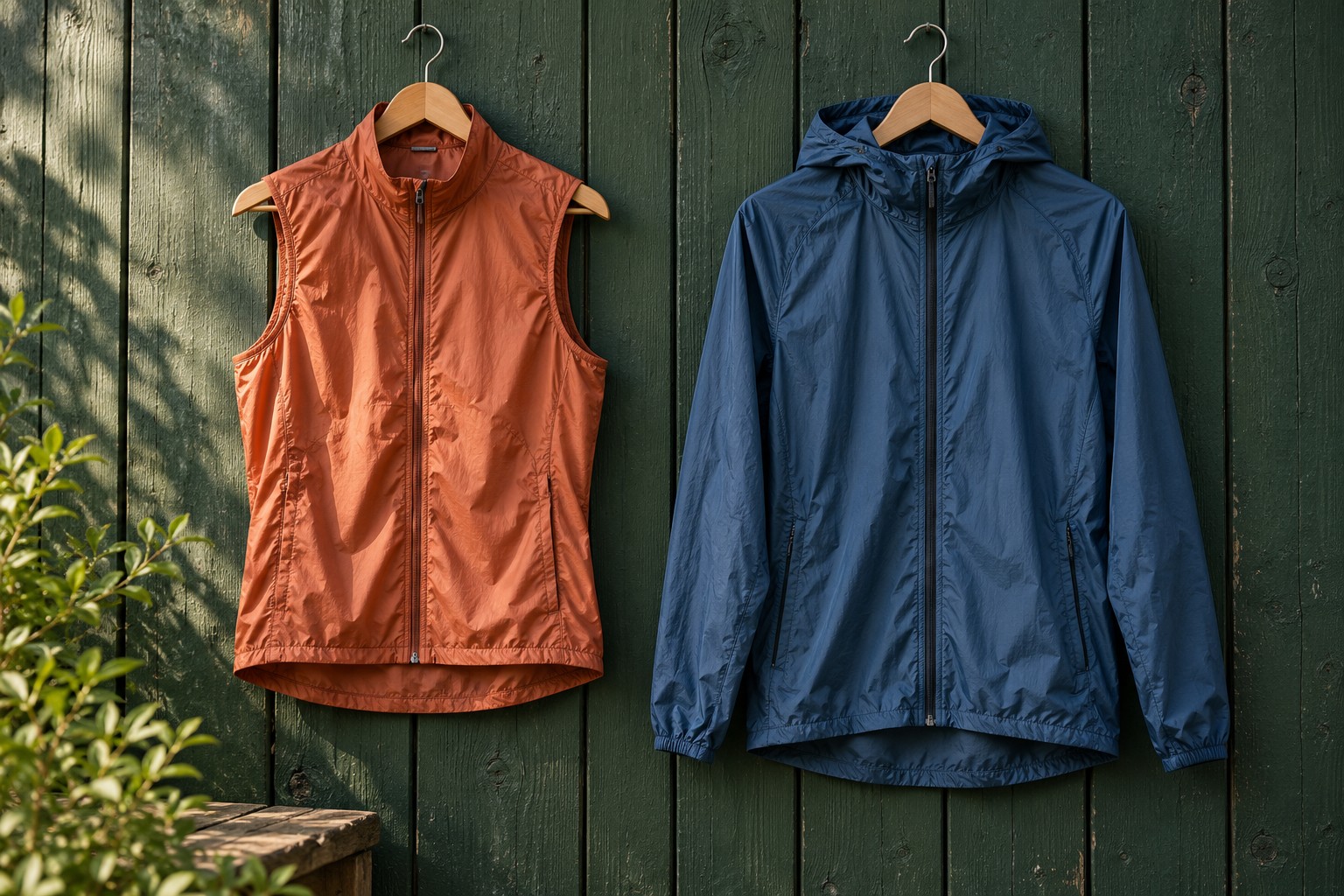
Choose a running gilet when your top already gives your arms enough coverage and you mainly want a light wind layer across the torso. Choose a jacket when you want the outer fabric over your arms too, or need a hood. The decision becomes easier if you picture the exposed part of the route and the walk home, rather than dressing only for the first chilly minute.
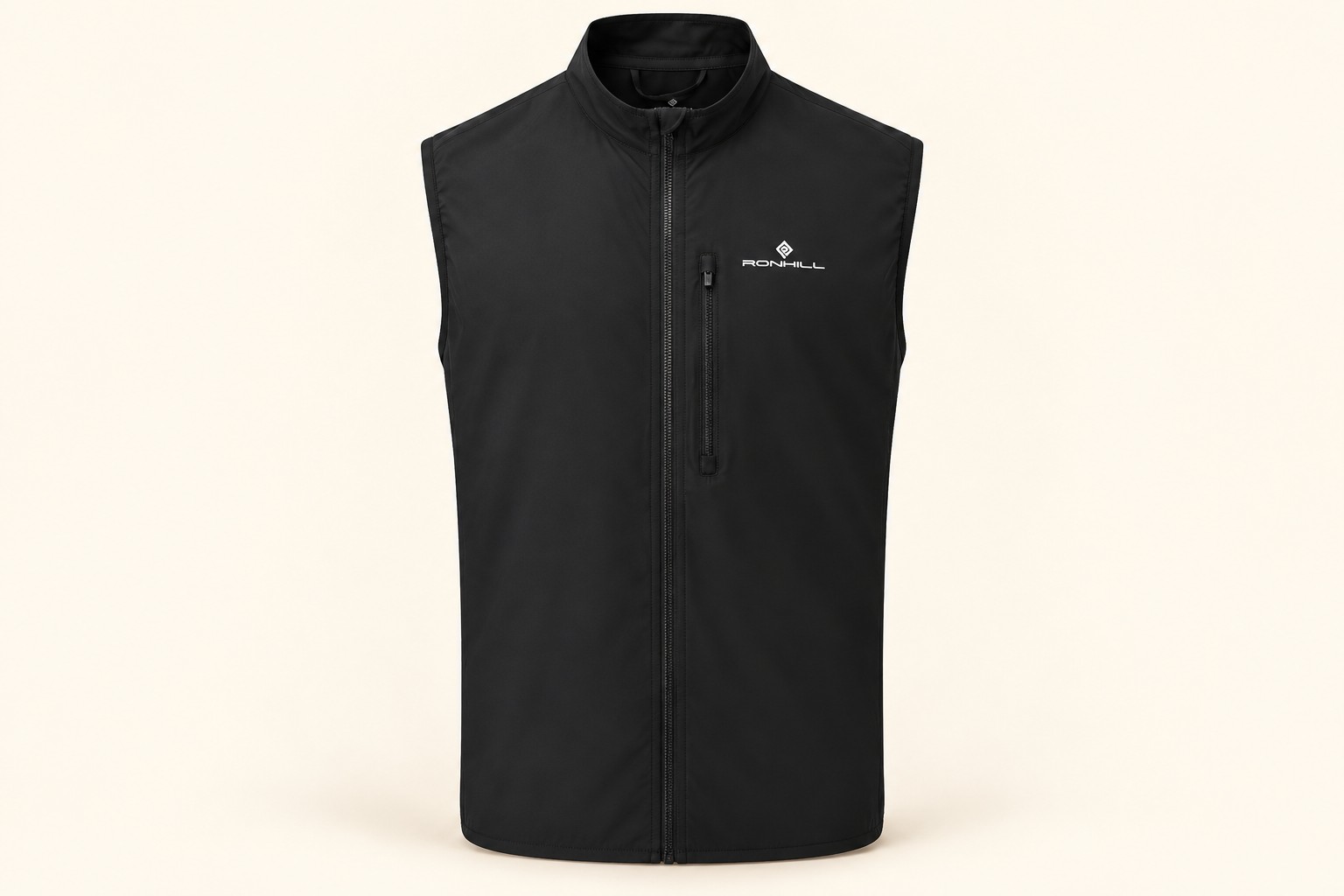
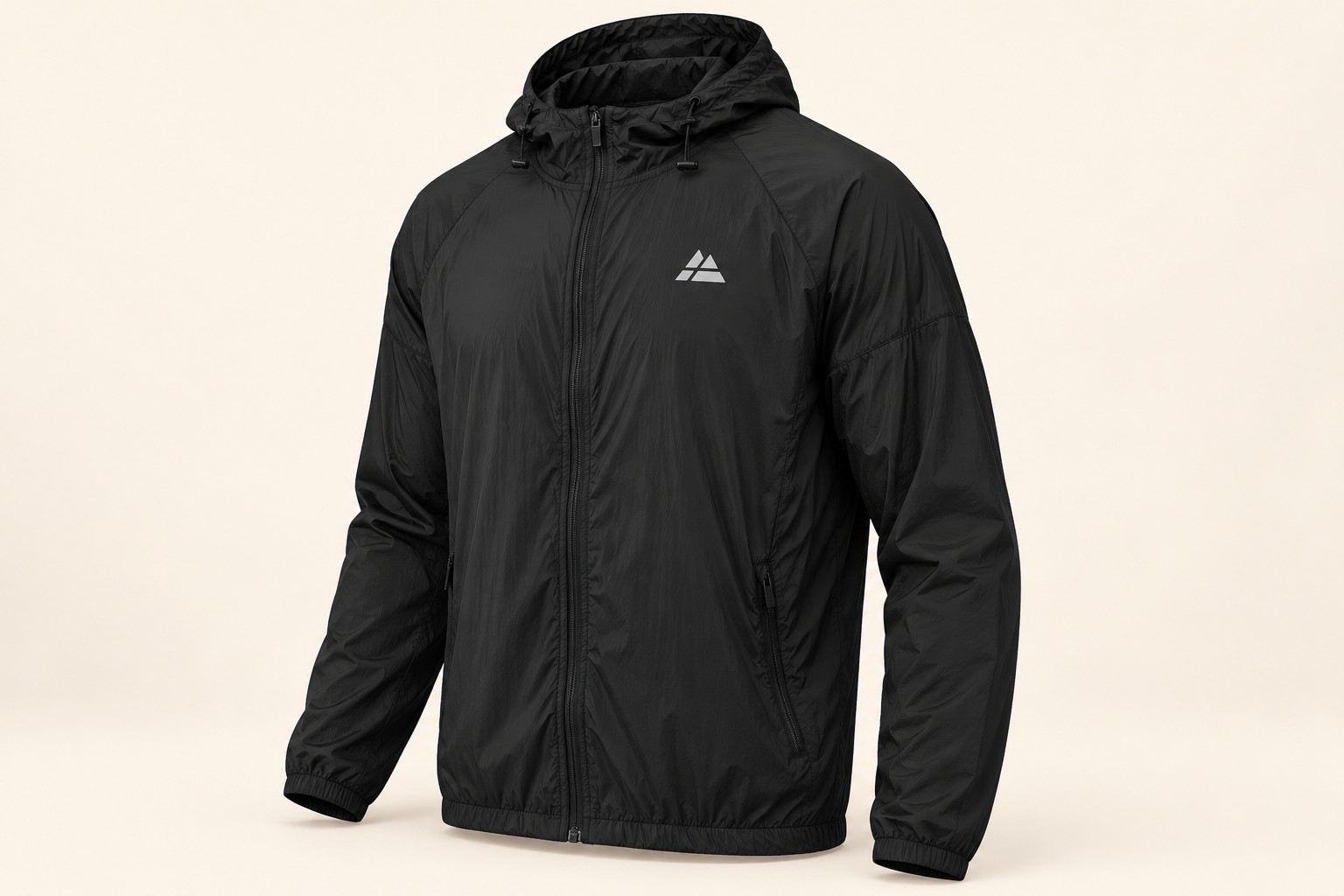
The Ronhill Core gilet is a useful example of a simple sleeveless layer. For a thin hooded jacket that you can carry when it warms up, I would look at the Danish Endurance windbreaker. For a race that requires a waterproof, check the kit list before choosing either.
Choose a gilet when your arms are already comfortable
A long-sleeve top with a gilet lets you cover the torso while leaving the sleeves as they are. This works well when a breeze across the chest is the reason you want another layer, but enclosing your arms would feel excessive.
The Ronhill Core gilet has a full front zip, a stand collar and a relaxed cut. Opening it as you warm up gives you a simple adjustment while the garment stays on. The current All Black listing describes wind resistance and a treatment for short showers.
Think about the sleeve fabric of your top. A thin, airy sleeve will feel much cooler in wind than a closer, warmer one. Try the gilet over the top you’ll actually run in.
For buying details specific to the collar, armholes and chest pocket, use the Ronhill Core review.
Choose a jacket when the arms need an outer layer too
An exposed return leg can make sleeves welcome even if the sheltered outward section feels warm. A jacket gives you that extra fabric over the arms; a hooded version also gives you a way to cover your head when conditions change.
The Danish Endurance windbreaker is a thin packaway layer with an adjustable hood, elastic cuffs and zipped pockets. It suits runs where the jacket comes on for an exposed stretch and goes back in the bag afterwards.
Try the hood with your usual headwear and turn your head. With it down, check whether the fabric and cords sit comfortably beneath the pack. You should be able to open the main zip without catching another layer or a sternum strap.
If you’ll wear the jacket throughout a relaxed outing, you may prefer a softer stretch fabric. The lightweight-jacket shortlist compares stretch layers with woven windbreakers.
Match the layer to the outing
A sheltered loop with short windy gaps: start by asking whether your running top handles most of the route. A gilet can be useful for the gaps, with the zip available when you return to shelter. You may also be comfortable carrying the layer from the start and putting it on only when needed.
A route with a long exposed section: consider whether your arms and head need coverage as well as your chest. A hooded jacket gives you more ways to cover up, but the weather protection still needs to suit the conditions. For persistent rain, use the waterproof running-jacket guide.
A hard session followed by a slower return: plan those two parts separately. You may run the work intervals in a top and carry the extra layer for jogging or walking back. Keep it accessible rather than buried beneath the items you will not use until home.
Try it with your bag on
A pack already covers part of your torso, so compare each layer while wearing it. With a gilet underneath, check the armhole edges beneath the shoulder straps. With a jacket underneath, reach forwards and notice whether the straps hold the sleeves’ fabric too tightly across the shoulders.
Wearing either layer over a pack needs room for the actual load. Fill the flasks and rear compartment before trying the fit. Check that you can still get to bottles, food and the main zip; the openings may feel very different once the pack is full.
Consider where your phone and keys will go when the outer layer comes off. If they normally live in its pockets, you need somewhere secure for them while the garment is packed. Keeping the heavier essentials in a belt or vest can make changing layers much simpler.
Allow for the garment when it is packed
A gilet has no sleeves to gather, but a thick one can still take up more room than a thin jacket. Try it in the pocket you’ll use, with the rest of your kit already packed.
Contain cuffs, hood cords and hems so that nothing hangs below the bag or swings against your legs. If the garment is damp, keep it away from the dry top you want for afterwards. Use the running dry-bag guide when organising that separation.
For an evening run, check the lights after putting the chosen layer and bag on. Fabric can cover a clip light or reflective area that was clear a moment earlier. Our reflective-jacket guide is the next choice if reflective garment coverage is one of your priorities.
Check the start, the warm section and the finish
Lay out the top, chosen outer layer and any return clothing together. Check the forecast and route exposure, then decide what you will wear and where the removed garment will fit. The winter kit checklist follows those three parts of the outing.