Some links in my articles are affiliate links. I may earn a commission when you buy through them.
If your hands start cold but warm up after the first hill, a light running glove is an easy place to start. If you want an extra cover for exposed sections without carrying a separate pair, a convertible glove with a pull-over mitten shell is worth a look. Think about how often you use your watch, phone, bottles or poles.
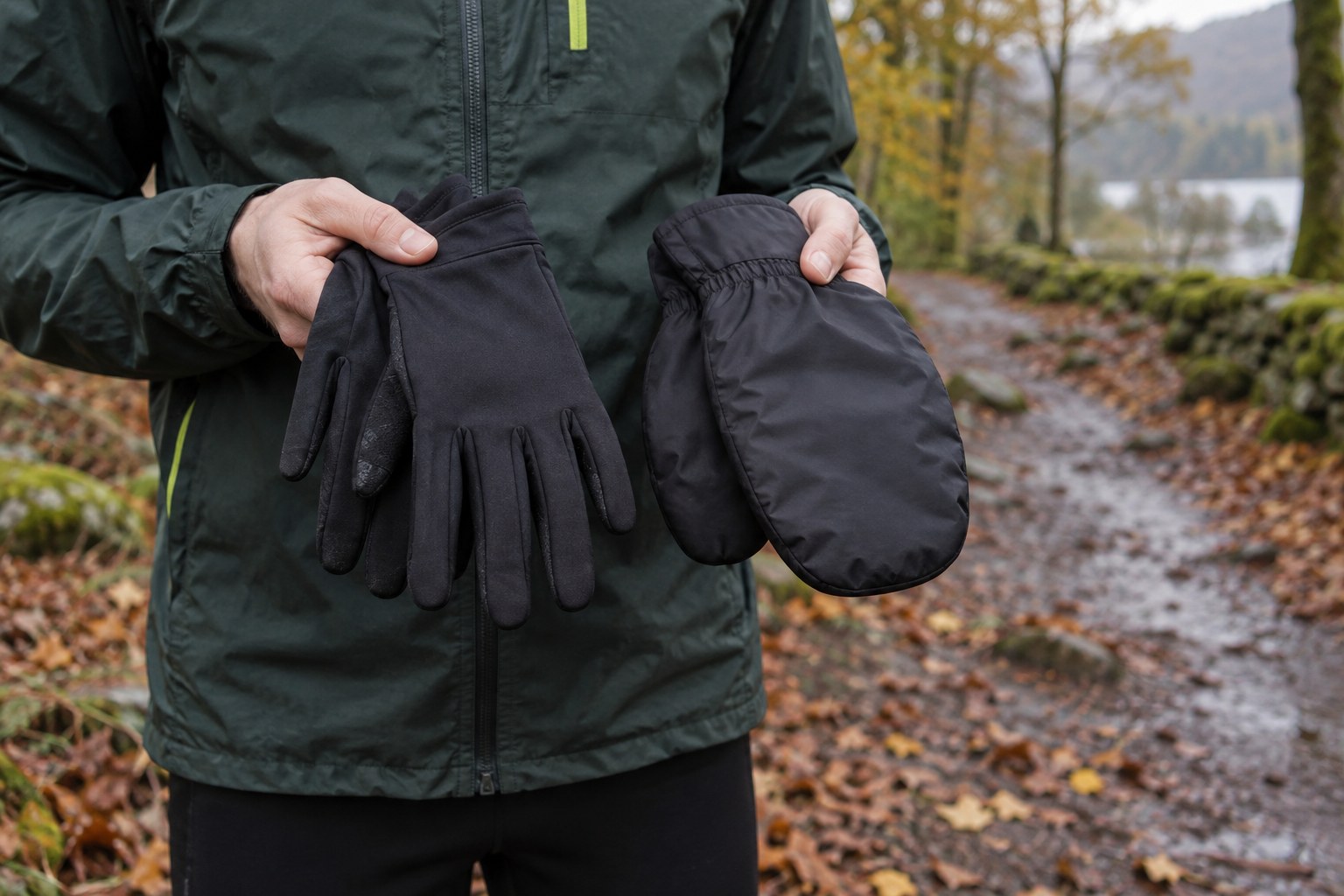
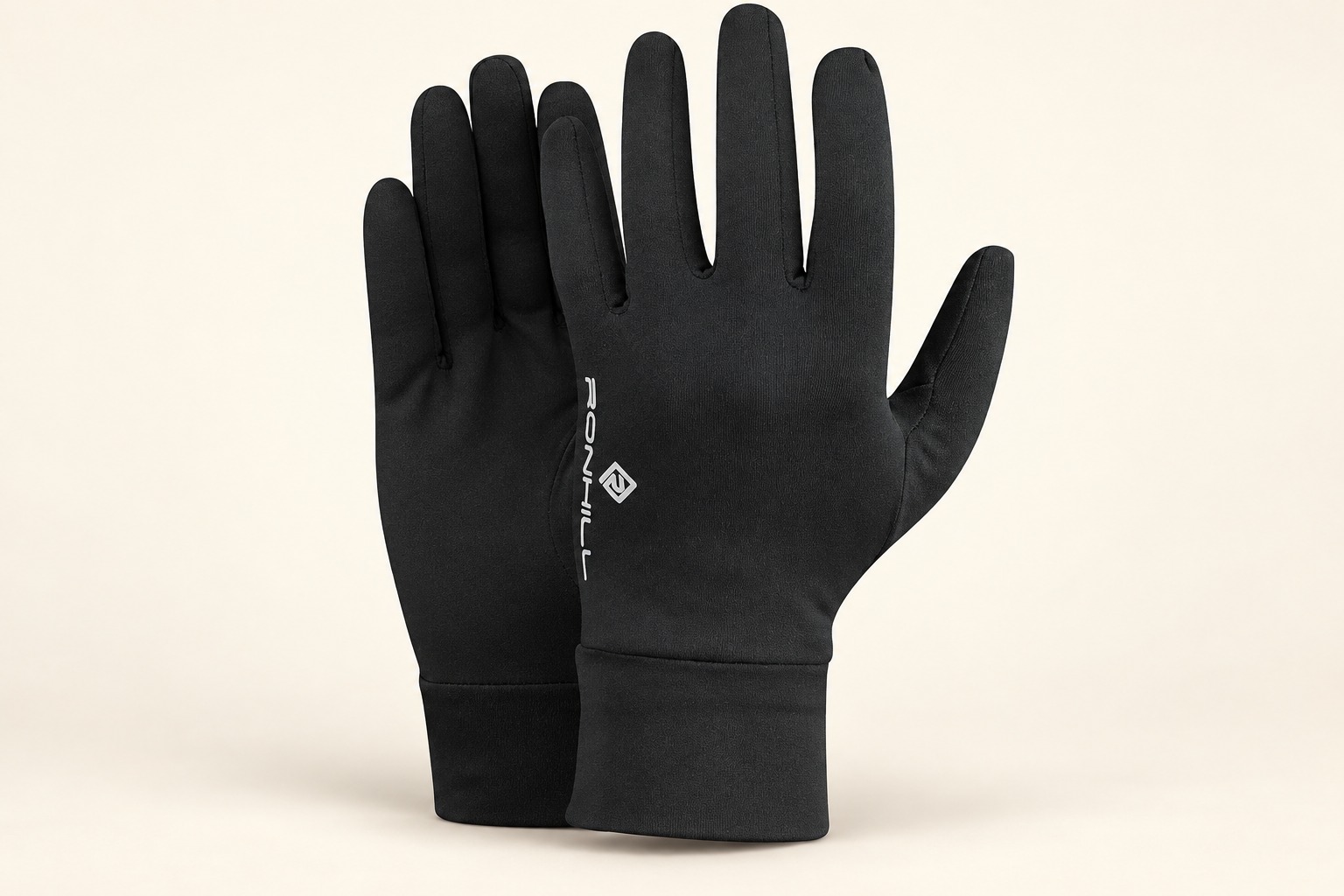
I like Ronhill Classic for straightforward light warmth that packs away small. For changing conditions, TrailHeads convertible gloves give you a fingered glove and a shell you can pull over it. Choose the system you can adjust comfortably with the rest of your kit on.
Light warmth and frequent kit handling: a slim five-finger glove leaves each finger free for zips, bottle valves and small controls. Ronhill Classic suits the light-layer job; it is also easy to put away.
Extra coverage with fewer adjustments: a mitten groups the fingers inside one compartment. Look at the actual insulation and outer fabric before judging how warm or weatherproof a particular pair will be.
Changing exposure or warming up: a convertible glove lets you cover the fingers, then tuck that cover away. The women’s TrailHeads convertible gloves are the model I have used; the maker also offers a larger-fitting men’s version.
For ordinary fingered options, the best running gloves guide compares light warmth, screen access and fleece comfort.
What a mitten cover changes
With a five-finger glove, you can keep a bottle in one hand and use the other for a zip or watch. A mitten cover changes that grip: try the same movement with the cover over your fingers, then folded back. Check whether you can hold the bottle without gathering slippery spare material against it.
A convertible design is handy when your route moves between a sheltered lane and a more exposed path. On my cold-morning outing with the women’s TrailHeads convertible gloves, the light warmth took the sting out of the start and the outer layer gave some shelter on an exposed stretch. I would choose more protection for prolonged freezing rain.
Practise the change with both hands dressed. A tiny stowage pocket can be simple with bare fingertips and awkward once the other hand is covered. Check where the cover sits after you tuck it away, especially if a watch or jacket cuff occupies the same space.
Check exactly what is waterproof
TrailHeads describes the fold-away mitten shell as waterproof in its current women’s model information. That description applies to the shell. It does not establish that every part of the underlying glove, thumb or cuff is sealed against water.
Look at the opening around the wrist and the area around the thumb as well as the fabric over the fingers. For sustained wet conditions, check the exact model’s construction and coverage. A waterproof panel, a water-repellent finish and a fully waterproof glove are different purchasing descriptions.
Also decide what happens when the cover gets wet. If you fold a wet shell onto a dry cuff, those surfaces come together. Leave space to separate damp handwear from a dry spare layer when you put it in your pack.
Try bottles, poles and controls before choosing the size
Start with an open hand, then make a relaxed fist. Check for pulling between the fingers and across the palm. Leave your thumb free to move around a bottle or pole grip without stretching a seam tight.
In a mitten, notice where your fingertips sit when you curl them. A roomy-looking compartment can still pull across the knuckles. In a convertible pair, repeat the check with the shell both deployed and stowed.
Wear your usual sleeve and watch. The extended cuff on my Ronhill Classic covers the wrist gap, and the stretch lets me relax my hands. Check the same overlap with your own jacket: a cuff folded under a watch can feel very different from one lying flat beneath a sleeve.
Try the small jobs you actually do: open a gel pocket, hold a filled flask and press the light’s button. If the phone is the awkward part, use our touchscreen glove checks to separate glove fit from screen and pouch problems.
Pack for the moment you take them off
Put both gloves or mittens into the pocket you intend to use before you leave. A belt that already holds your phone, key and gels may have less spare room than it looks. A convertible shell saves carrying a second loose cover, but the whole pair still needs somewhere to go if you warm up.
I can fold my Ronhill Classic into a belt pocket later in a run. With a larger system, check the loaded pocket closes without crushing other kit or leaving a glove caught in the zip. Our running belt guide helps match the storage to your normal load.
For an organised race, check its current kit requirements before deciding what stays at home. The Race Day Pack Planner can help organise published requirements where an event is covered; the organiser’s latest list remains the reference. The Race Atlas is useful when you are choosing the outing first.