The field guide · Hydration
Hydration vest sizing: a fully loaded fitting checklist
The Runners Backpack editorial · 19 September 2026 · Research-led guide
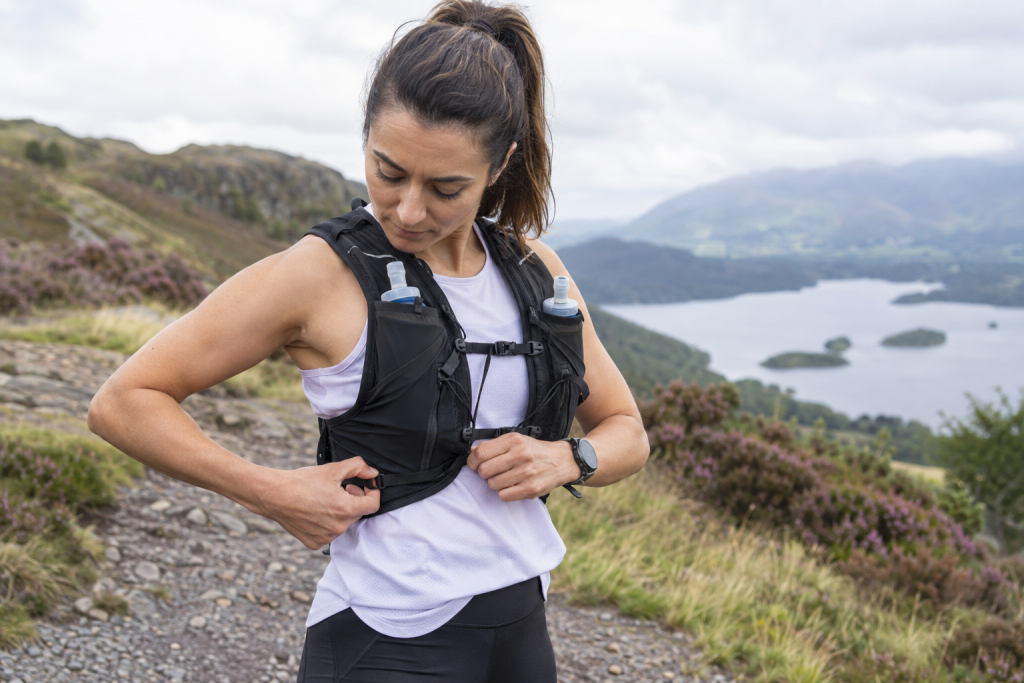
Hydration-vest sizing is not just about whether you can fasten the front cords. The vest must carry your equipment without awkward pressure and let you reach water and essentials. A snug empty vest may feel very different with full flasks, a jacket and race kit. Use the manufacturer’s size method before judging the harness.
Start here → choose by use
Measure according to the exact model chart, assemble your full running load and test the vest over your intended layers. Capacity and body size are separate decisions: a bigger storage volume does not mean you should buy a larger torso size.
Compare the practical trade-offs
| Option or check | Useful when | Trade-off to check |
|---|---|---|
| Chest measurement | The maker specifies chest-based sizing | Do not substitute T-shirt size or another brand’s chart |
| Front adjustment | You need room to fine-tune loaded fit | A cord pulled to its limit may leave little useful adjustment |
| Layer changes | You run in both light tops and winter layers | Check both without deliberately buying a loose vest |
Build the load before trying on
Include the actual water containers, food packaging, phone, weather layer and any organiser-required equipment. Storage litres describe a compartment capacity, not the amount of water included. Check whether your flask or reservoir model is supplied. A fitting performed with soft flasks empty and no rear load misses much of the reason you are buying the vest.
Check movement and access together
Adjust in the order recommended by the maker, then jog, lean forward and reach across your body. Check the neck, underarms and lower edge for pressure. Retrieve a front item, close the pocket and make sure another item has not become loose. If tighter adjustment improves movement but makes access or breathing uncomfortable, keep investigating rather than accepting that compromise.
Compare realistic alternatives
If possible, try the adjacent size or a different vest shape under the retailer’s conditions. Pocket position can differ between designs even when their nominal capacity is similar. A layout that places the flask opening comfortably for one runner can sit too high or low for another. Evaluate fit before deciding which brand name you want.
Rehearse beyond the shop
A brief fitting is a screening step, not a guarantee of long-run comfort. Use the loaded arrangement in training before a race, keeping important equipment retained as containers empty. If you identify rubbing or pressure, adjust one variable at a time and record the result. Follow care guidance; do not permanently modify a harness to compensate for an unsuitable size.
Your pre-purchase checklist
- Use the current chart for the exact model and size variant.
- Test with full containers and the expected rear load.
- Check breathing, reach and all closures.
- Repeat over your expected clothing layers.
When not to buy
A new vest is unnecessary if your existing one fits and carries the required kit. Do not upgrade purely for extra pockets you have no practical use for.
A shopping starting point
The Salomon ACTIVE SKIN 4 Set is a model to investigate. The button below links to a retail listing. Confirm the selected size, current product generation, supplied items, seller and return conditions before purchase. Our comparison criteria above matter more than the brand name.
Check Salomon ACTIVE SKIN 4 Set on Amazon UK
Questions runners ask
Should a running vest feel tight?
It should fit as the maker intends without uncomfortable restriction. Tightness alone is not evidence of a correct fit.
Will extra rear equipment stop an oversized vest moving?
Do not use load as a substitute for sizing. Choose the harness fit first, then an appropriate storage capacity.