Some links in my articles are affiliate links. I may earn a commission when you buy through them.
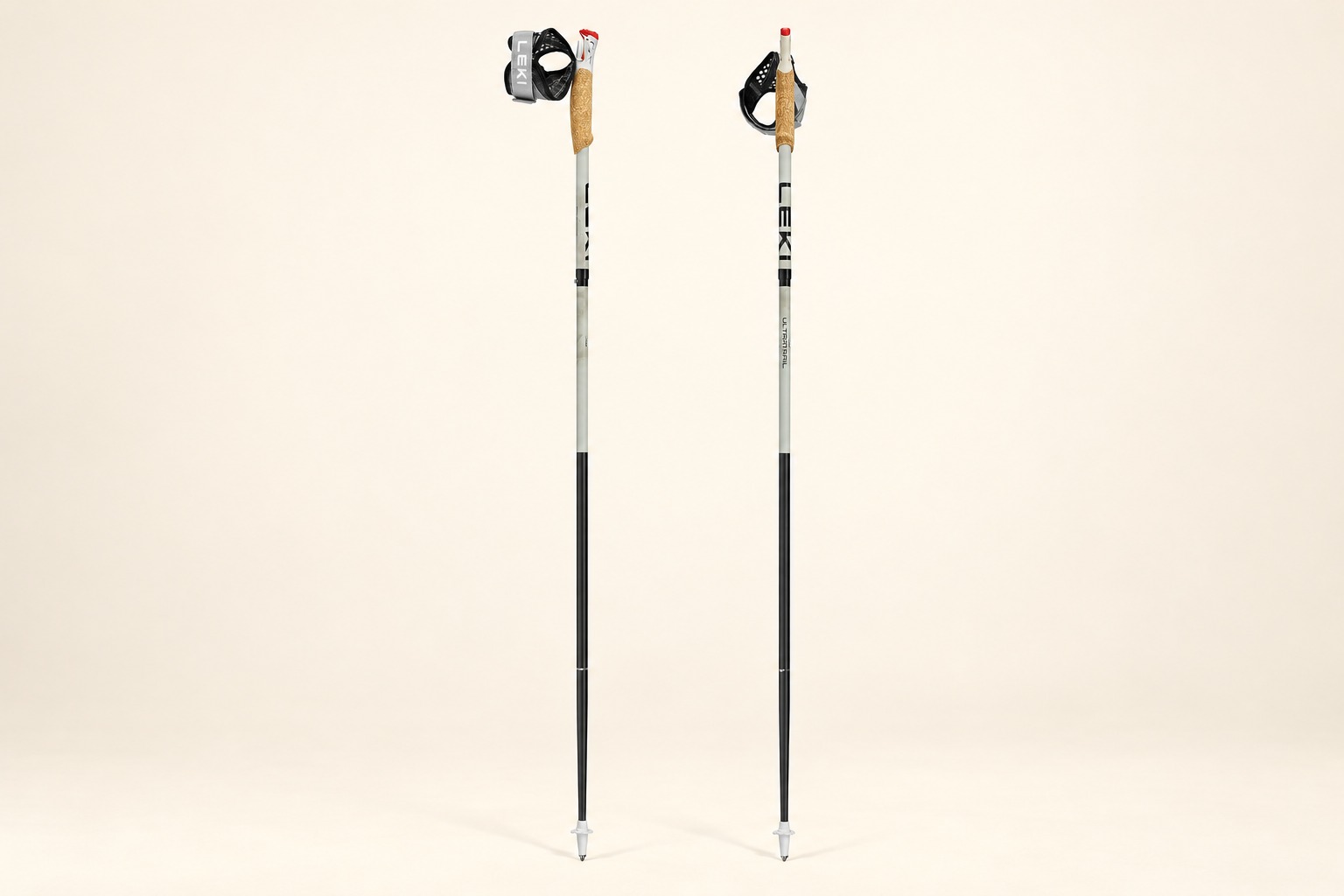
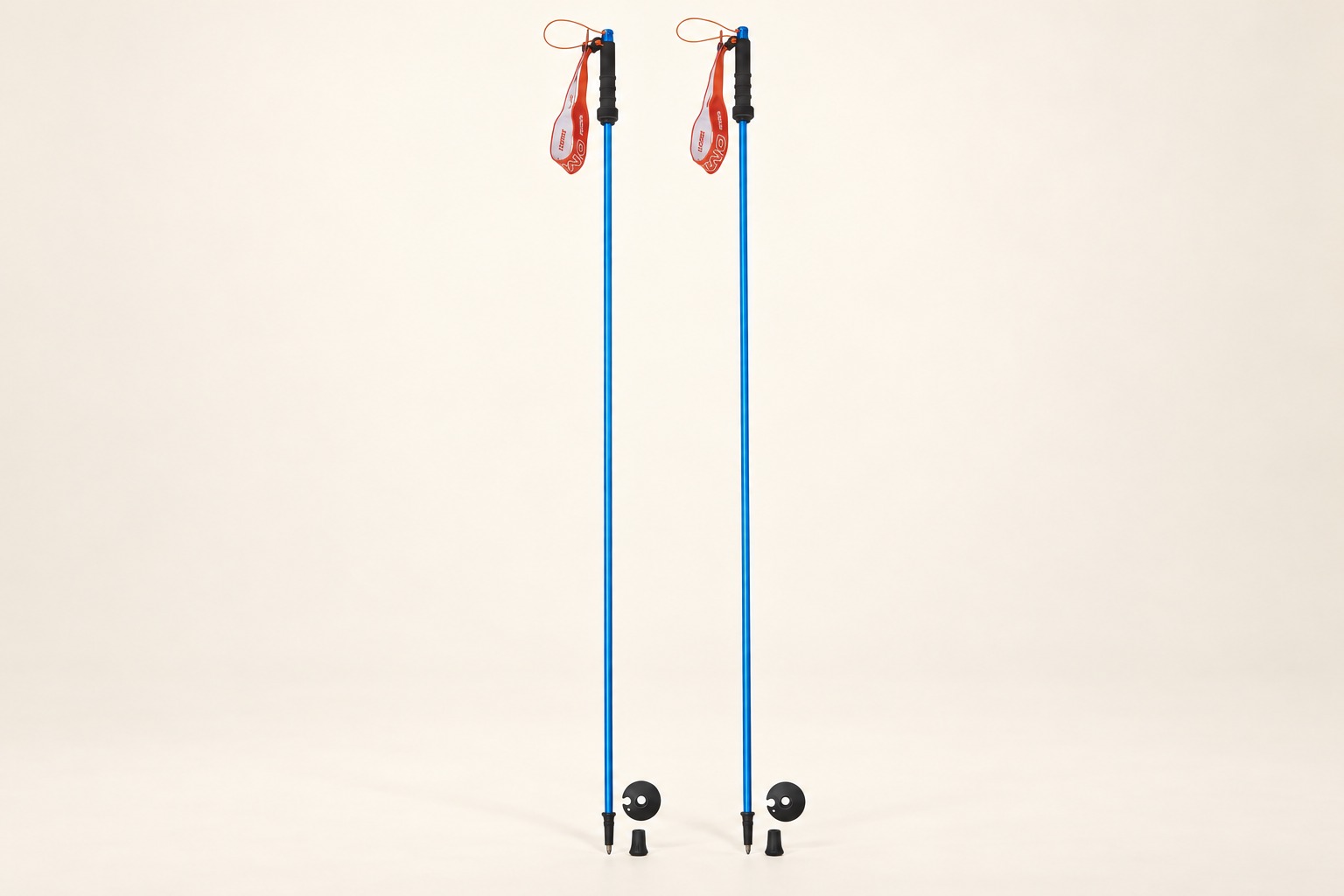
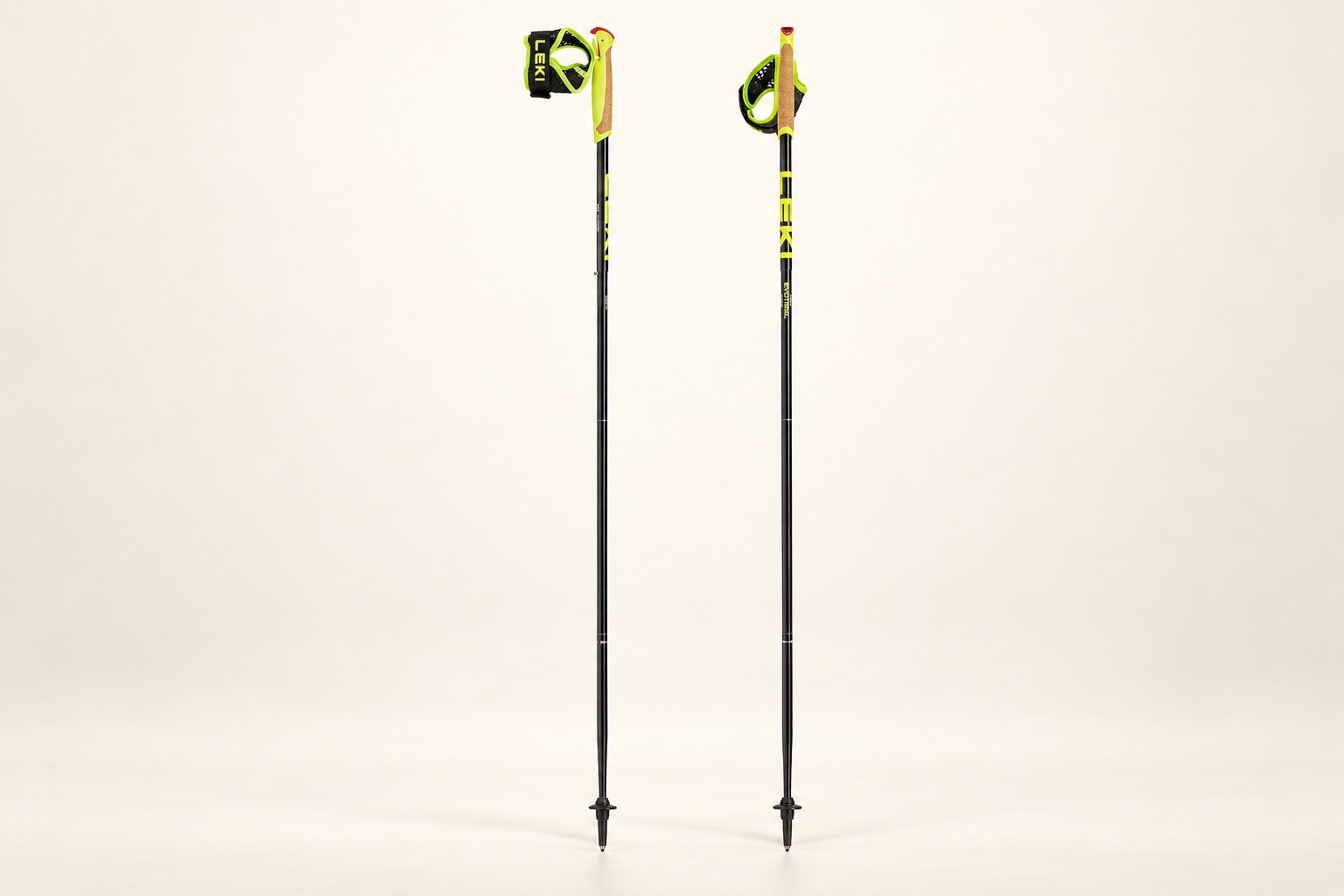
Running poles need to feel useful uphill and fit neatly out of the way when you want to run freely. My pick for light carbon shafts and quick strap transitions is LEKI Ultratrail FX.One. For compact folded storage, I would consider OMM Z Lite alloy poles. LEKI Evotrail FX.One TA is the aluminium option I like for its sturdier feel and easy deployment.
I have carried and used these on hilly routes. The buying decision is about your preferred length, how the grip works with your hands and where the folded poles will live between climbs.
Running poles need to feel useful uphill and fit neatly out of the way when you want to run freely. My pick for light carbon shafts and quick strap transitions is LEKI Ultratrail FX.One. For compact folded storage, I would consider OMM Z Lite alloy poles. LEKI Evotrail FX.One TA is the aluminium option I like for its sturdier feel and easy deployment.
I have carried and used these on hilly routes. The buying decision is about your preferred length, how the grip works with your hands and where the folded poles will live between climbs.
These are the poles I would shortlist for sustained climbing when low swing weight and a quick hand connection matter to you. The folding carbon shafts and strap system make a practical combination for a route that repeatedly changes between climbing and runnable ground.
I carried mine folded in a vest during a hilly trail session and brought them out at the foot of a long climb. The light shafts felt less tiring to swing uphill, and clipping in and out of the straps was useful as the gradients changed.
Choose the fixed length carefully. It is not a mid-run height adjustment system, so use the current size guidance and try the position in running shoes. A pole that packs away neatly is still a poor purchase if its deployed length does not suit your stride and arm position.
Practise the strap connection with the gloves you wear on cold starts. Check that you can release it readily when you need a free hand, then reconnect without repeatedly looking down. That makes the feature useful through real route transitions.
The four-section folding arrangement is the reason I would consider these when poles spend a substantial part of the outing on your pack. A compact bundle is easier to organise beside the rest of your kit than long sections projecting from the carrying position.
On a mountain route, I found the EVA grips comfortable through a long climb, then used the retaining strap to keep the folded sections together when the trail flattened. Their low weight was welcome when I carried them for miles instead of using them continuously.
Check that you are choosing the alloy version described here. The product family also has carbon versions, and their specifications should not be transferred between models. Match the selected material and fixed length with the product details and the image.
These slim poles suit controlled running use. Plant them deliberately and avoid expecting a light shaft to catch your whole weight during a stumble. For carrying, try the folded bundle in the actual pocket, loops or quiver you intend to use.
I would choose these if you prefer the feel of an aluminium shaft and still want folding storage plus an efficient strap connection. They are worth comparing with the carbon option when grip comfort and handling matter more to you than chasing the lightest possible pair.
On a long climb, the strap connection gave me a direct push without needing to squeeze the handles hard. The cork and mesh felt pleasant in my hands, and I could fold the poles into a vest pocket when I reached runnable ground.
The sturdier feel is my handling observation, not a claim that a pole will survive every impact. Choose the fixed length that fits you and practise deploying the pair on local hills before a race. Check the release control and how firmly the sections seat together.
If your route alternates frequently between running and steep climbing, rehearse the whole transition: free your hands, fold the sections, secure them and get moving again. Comfortable poles become much easier to use when the storage arrangement is equally straightforward.
Settle the length before comparing materials
Stand in your running shoes and use the manufacturer’s length guidance as a starting point. Check your arm position on a familiar slope if you can. The three picks here use fixed deployed lengths, so select the length at purchase rather than expecting to shorten them halfway up a climb.
Compare weights and folded dimensions for the actual size you would buy. The shortest example of one model is not a fair comparison with the longest example of another. The size that fits your body also needs to fit your pack.
Grip and strap comfort deserve equal attention. Try the connection with bare hands and your usual gloves, then release it for a drink or a gate. If you dislike being attached to a grip, that preference may guide the choice more strongly than shaft material.
Check the carrying system with the poles folded
Put the folded pair where you expect to carry it and jog. Check that the tips stay away from your arms, the bundle does not knock against your back and the retaining strap keeps the sections together. Add your filled bottles and spare layer before assessing the space. The hydration-pack guide helps if your current carrying setup is too crowded.
If you are considering a quiver, match its attachment system to your vest. Buying a compact pole does not establish that an accessory will attach to the pack you own. The pole-quiver guide walks through those checks.
Practise taking the poles out and putting them back while wearing your kit. For an event, check whether poles are allowed and where they may be used. The Race Atlas gives you a route to the organiser’s information, and the Pack Planner helps you assemble the rest of your kit.