Some links in my articles are affiliate links. I may earn a commission when you buy through them.
The easiest shirt to wear after a run is often the one you brought to work yesterday. If you can leave a small rotation there, do that first. When the clothes do have to travel, keep them in a flat, lightly packed bundle and give lunch, shoes and damp kit their own places.
You do not need to squeeze everything into the smallest possible parcel. A bundle that fits the back of the bag without being crushed under a lunch box is a better starting point.
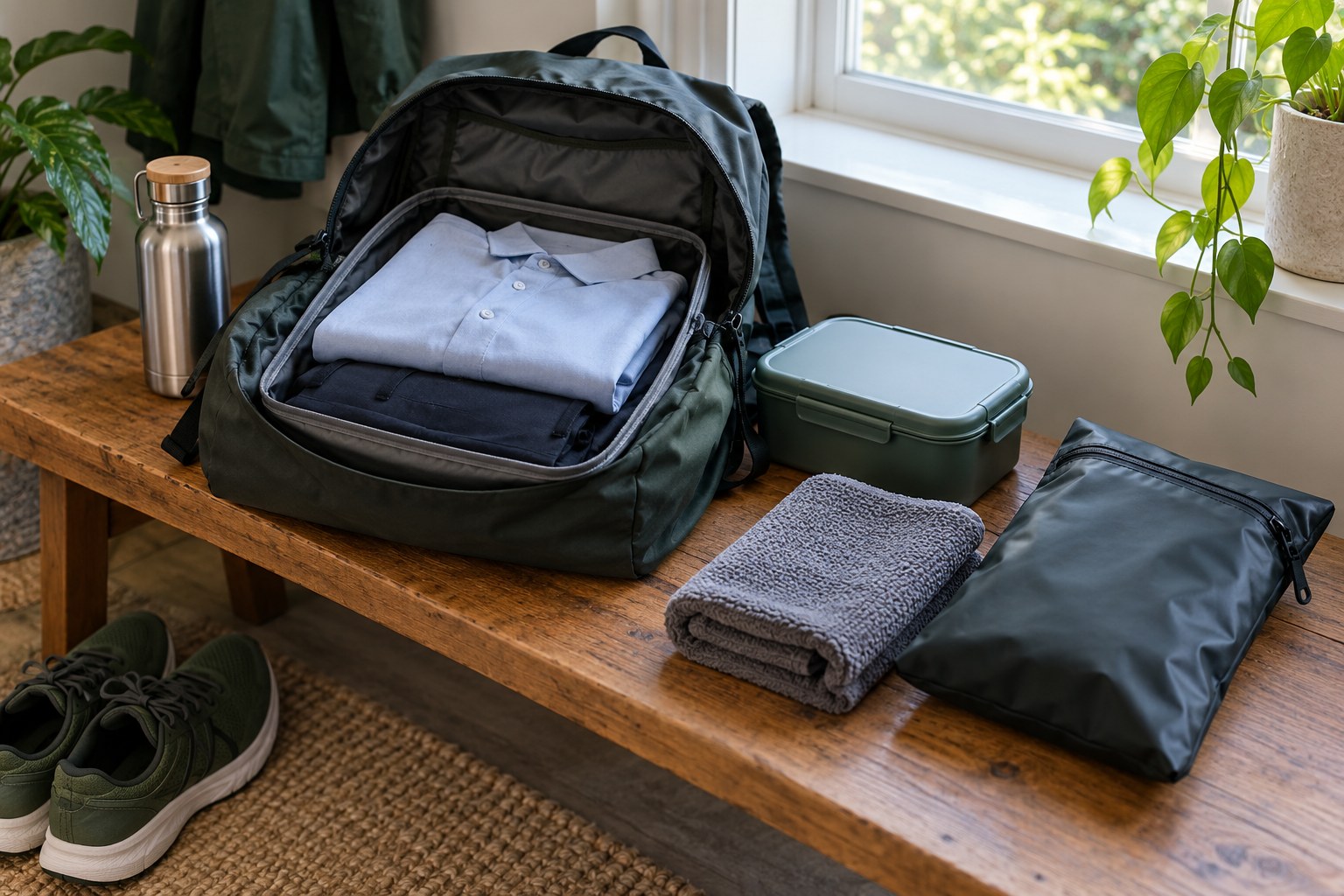
Pack a complete change before judging the space: underwear, socks, trousers or skirt and the top you will actually wear. Small forgotten items are more inconvenient at work than an imperfect fold. Put them together where they will come out as one outfit.
Work shoes are often the item worth leaving behind. They are awkwardly shaped, can press into clothing and make a light pack much less pleasant to run with. If footwear must travel, contain it separately and keep soles away from the clean outfit.
A compact towel can free useful space, but it still needs somewhere to dry at work. Our commuting towel comparison helps if the towel is taking over the bag. A spare charger and toiletries kept at work can remove several small hard objects from the load.
Fold a shirt to the bag, rather than stuffing it into the gaps
Lay the shirt flat, smooth it with your hands and fold the sleeves inwards. Fold the sides towards the centre, then fold the lower part upwards into a broad rectangle. Adjust the width to the usable back panel of your bag; avoid making a narrow, thick roll that leaves the collar carrying the pressure.
Fold trousers along their existing crease where appropriate, then to a similar width. A soft fabric pouch can keep the outfit together and stop loose zip pulls or keys catching it. Use something you already have before buying packing accessories.
A shirt can still crease on the run, however carefully you fold it. Delicate tailoring and a formal outfit that needs to look freshly pressed are better transported on another day. For easy-care clothes, avoid hard pressure points and unpack as soon as you arrive.
Give lunch a stable place without crushing the clothes
Put the clothing bundle flat against the protected back area, with the lunch container secured close by rather than swinging at the outside of the bag. Keep a hard corner from pressing directly into your spine. Pack soft items around the container and check that its lid is properly closed before it shares a bag with clean kit.
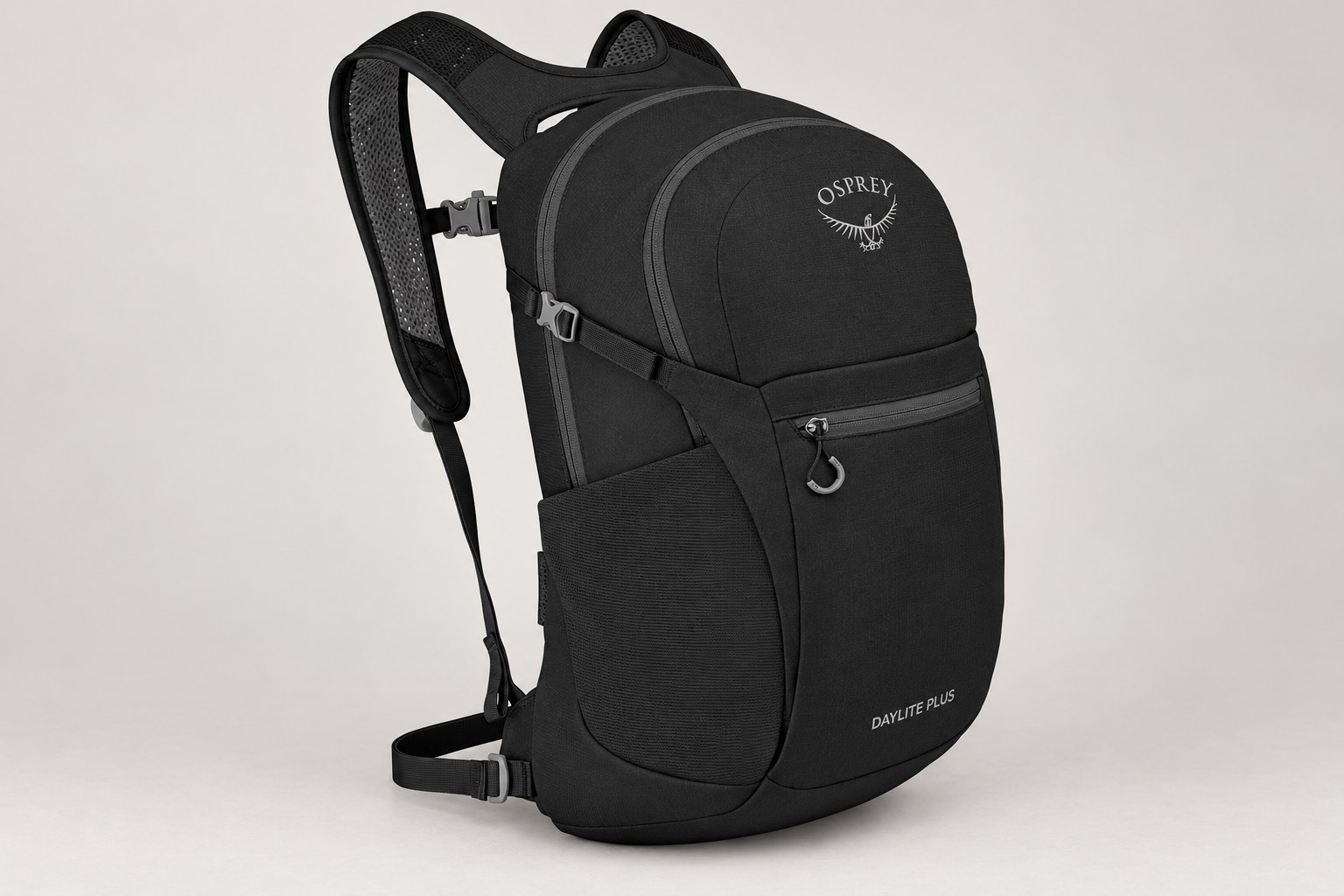
For this sort of light commute, I favour the Osprey Daylite Plus: its compartments helped me organise clothing and lunch, and the side compression can reduce loose space around the packed load. Keep the load modest and the pace easy.
Do not force a bulky outfit into the bag simply because its capacity sounds large enough. If you’re struggling with the zips, or compression straps sharply crease the shirt underneath, remove something or change what travels that day. The easy-commute backpack shortlist compares this organised layout with a foldaway option.
Plan two separate clothing loads: clean on arrival, damp going home
Keep the clean outfit inside its own protective inner bag if rain is likely. For the return, put used running clothes and the towel in a separate suitable bag so moisture does not spread to papers, food containers or the remaining clean kit. Let the used clothing air when you have an appropriate place to do so.
Place the return bag where you can reach it without laying the whole outfit on a wet changing-room floor. Keep the work outfit together, hang up the shirt after arriving and open the pack rather than leaving everything compressed until lunch.
Unpack again at home. A sealed bag contains damp kit on the journey; open it when you get home so the clothes can dry. Empty the lunch container and check the small pockets while you are there.
Rehearse the arrival, not just the run
Try the complete load on a short familiar route. At the end, unpack in the order you would at work: towel and wash items, clean outfit, then the place for used kit. Notice which item makes you empty the whole bag and give it a more accessible home.
Check the shirt where the lunch box sat and where straps compressed the pack. If those are the creased areas, change the packing arrangement before trying a more elaborate fold. Keep keys and a travel card away from this bundle so you can reach them without disturbing it.
If a laptop has to join the load, follow the separate laptop protection and fit guide. For the bag itself, the washing and drying guide explains how to deal with the sweat left in shoulder straps after repeated commutes.