Some links in my articles are affiliate links. I may earn a commission when you buy through them.
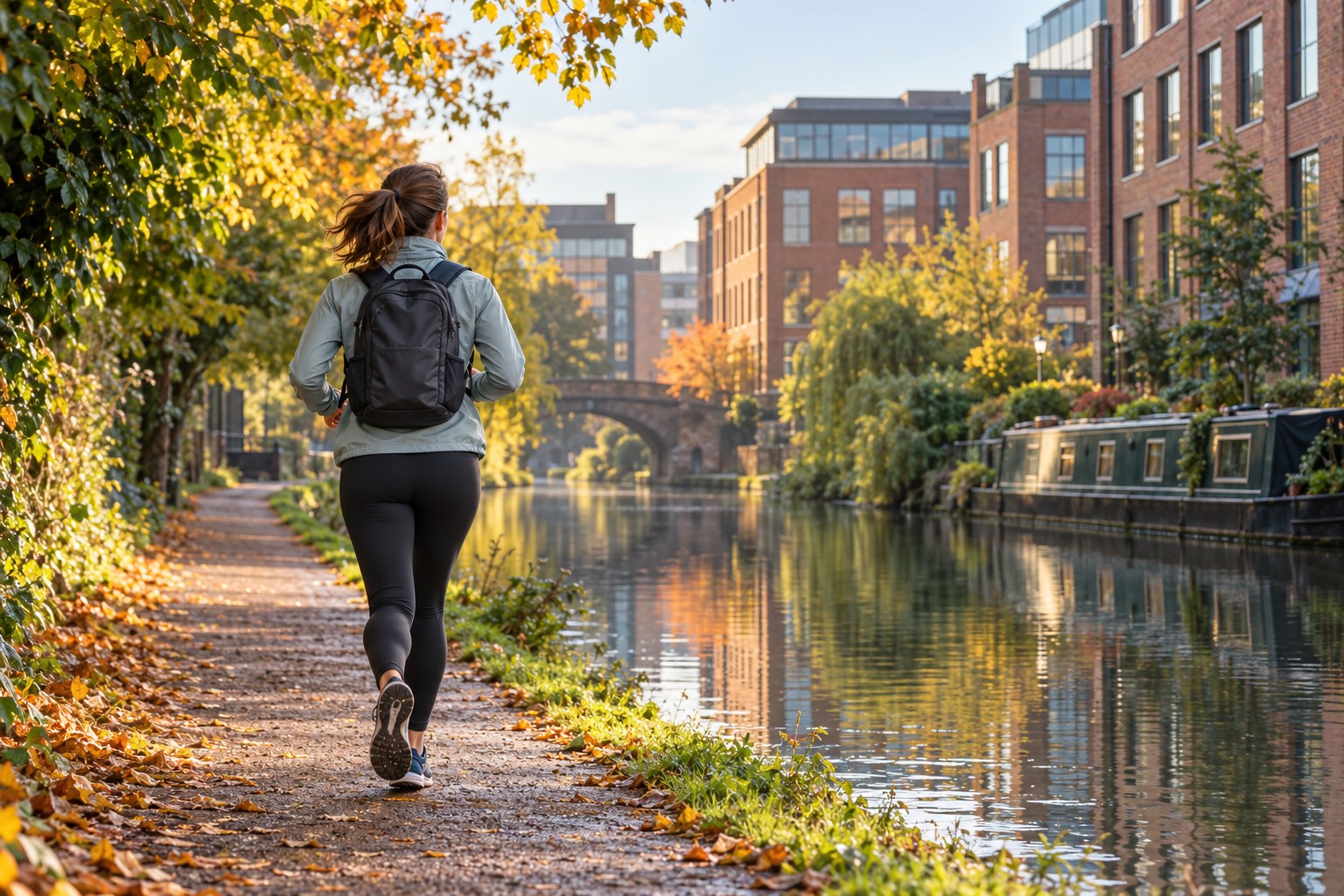
Running to work is much more appealing when the bag is carrying a small change of clothes rather than half your desk. For that lighter, easy-paced commute, I like a daypack that keeps lunch and clean kit from collapsing into one pile. If you only need a bag for an occasional run while travelling, a foldaway one is easier to keep with you.
The two below suit a modest load and an easy jog. For fast training or heavier kit, I’d start with a purpose-built running pack and try it fully loaded.
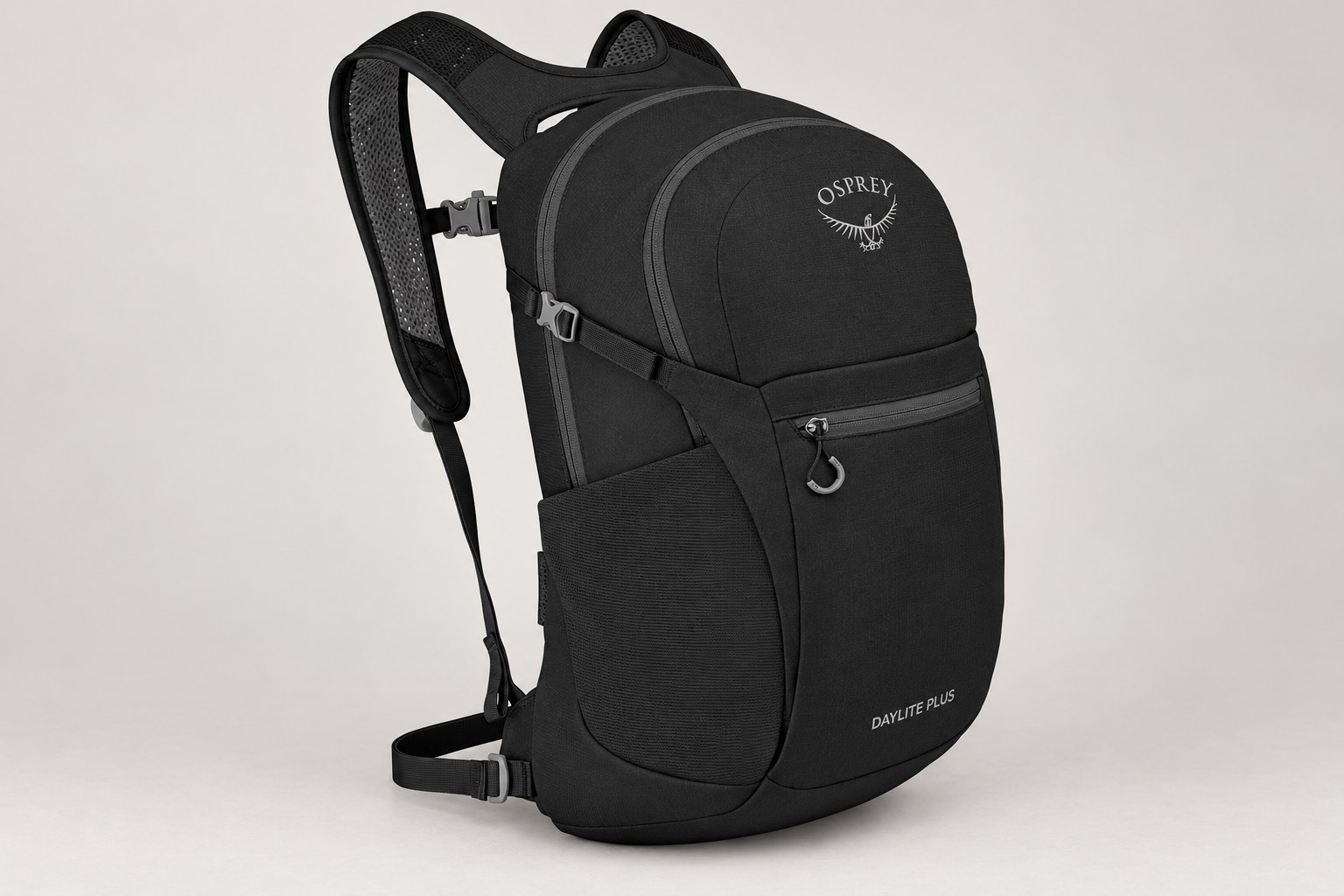
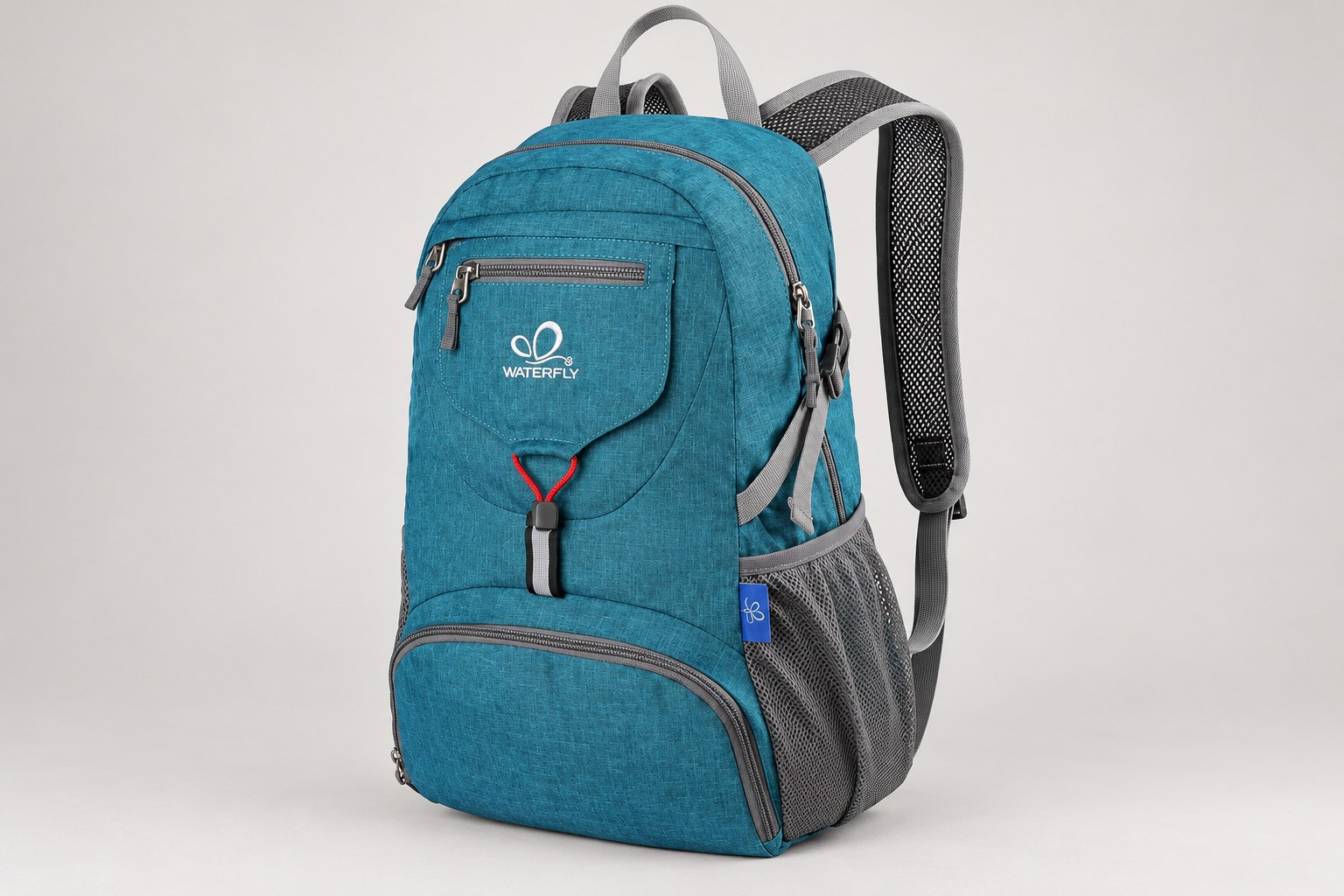
The Osprey Daylite Plus 20L is my pick for regular, light clothes-and-lunch commuting. Its compartments and side compression give you more ways to organise the load. The Waterfly foldable 20L is handy when you want to tuck the empty bag inside your luggage.
Keep the load soft and modest; its foldaway construction offers less structure.
Fast running, substantial water or heavy work kit
A fitted running pack instead
Compare harness fit under the full load. Neither daypack is my first choice here.
Two 20-litre bags can feel very different on a run. A bulky fleece can occupy space without weighing much, while a small lunch box and charger can create a dense lump. Try your ordinary load before deciding that a larger capacity will be more comfortable.
Best for an organised light commute: Osprey Daylite Plus
The Daylite Plus makes sense when you want one bag for the journey to work, a walk at lunchtime and ordinary days out. I found its compartments useful for stopping clothes, lunch and small essentials collapsing into one pile. The shoulder straps suited walking and an easy jog, and the side bottle pocket was handy when I stopped.
The main compartment opens from the front, so you can get to the clothes without digging down from the top. The key clip and smaller pockets give essentials a home; use the side straps to reduce loose space around the bigger items. Keep the lunch container close to your back with soft clothing between hard edges and the back panel.
The front shove-it pocket is useful for separating an outer layer from the main load, but leave your work shirt protected inside. Put the things you need before arriving—keys or a travel card—in an accessible secured pocket rather than underneath the clothing.
A half-empty bag with heavy objects in the outer pockets can still bounce, and I would choose a closer-fitting running pack for a hard session. If you need to bring a computer, use the laptop-and-sleeve checks before treating the internal sleeve as a fit guarantee.
Best when the empty bag must pack away: Waterfly foldable 20L
The Waterfly foldable 20L suits the runner who wants a spare bag on a trip, or runs one part of the journey and carries the empty bag afterwards. It folds into its own pocket.
I liked having separate places for keys and cards rather than fishing through the main compartment. The mesh shoulder straps were comfortable for a foldaway bag. For an easy commute with a light layer and a few essentials, that is a useful amount of organisation without carrying a structured daypack all day.
With such flexible fabric, the way you pack it matters. A hard lunch box can change the shape against your back, so surround it with soft kit and keep the load small. Choose the Osprey if structured everyday organisation matters more than folding the bag away.
Waterfly describes the nylon as water resistant. Protect clean clothes and electronics separately in prolonged rain; rain can still reach the contents. Our rain-cover and inner-bag comparison explains which parts of the load each approach protects.
Make the bag smaller by changing what travels
Leave work shoes, a charger and basic toiletries at work if you can. Bring in spare clothing on a non-running day, then carry home the used items in a separate load. Removing the shoes may let you use the bag you already own.
Count the return journey too. Damp running clothes take up space and need separation from clean kit. An empty compartment in the morning can become the useful place for your contained wet kit later, rather than an invitation to add more things before leaving.
The work-clothes packing guide covers folds, lunch placement and the arrival routine. If race travel is another use for the same bag, the Pack Planner helps separate the kit for running from the clothing you want at the finish.
Do one loaded check before committing
Wear the top you will run in, fill any bottle and pack your ordinary clothes and lunch. Adjust the shoulder straps, settle the load against your back and check that a chest strap, where fitted, leaves room for a full breath. Use compression to hold the contents rather than tightening the shoulder straps until they dig in.
Jog briefly, swing your arms and notice whether the bag taps your lower back or a hard item presses through. Reposition that item before changing the whole harness. Repeat with the outer layer removed: a commute bag needs to work after you warm up as well as when you leave.
Choose the Daylite Plus for regular light commuting and everyday organisation, or the Waterfly for the foldaway job. If neither settles comfortably with your real load, compare a running-specific harness rather than adding more tension.